Tooling procurement / external die supply
A Stamping Die Planned for the Receiving Press
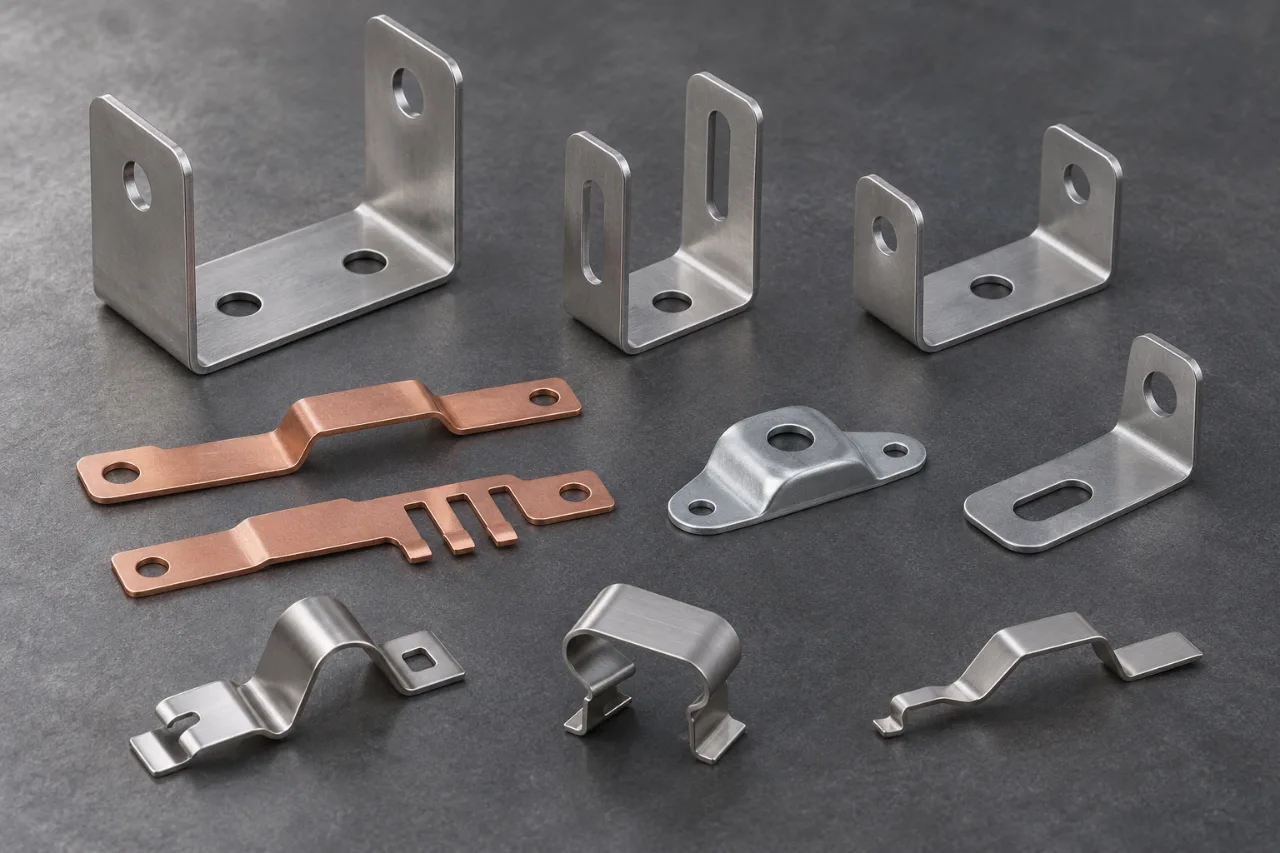
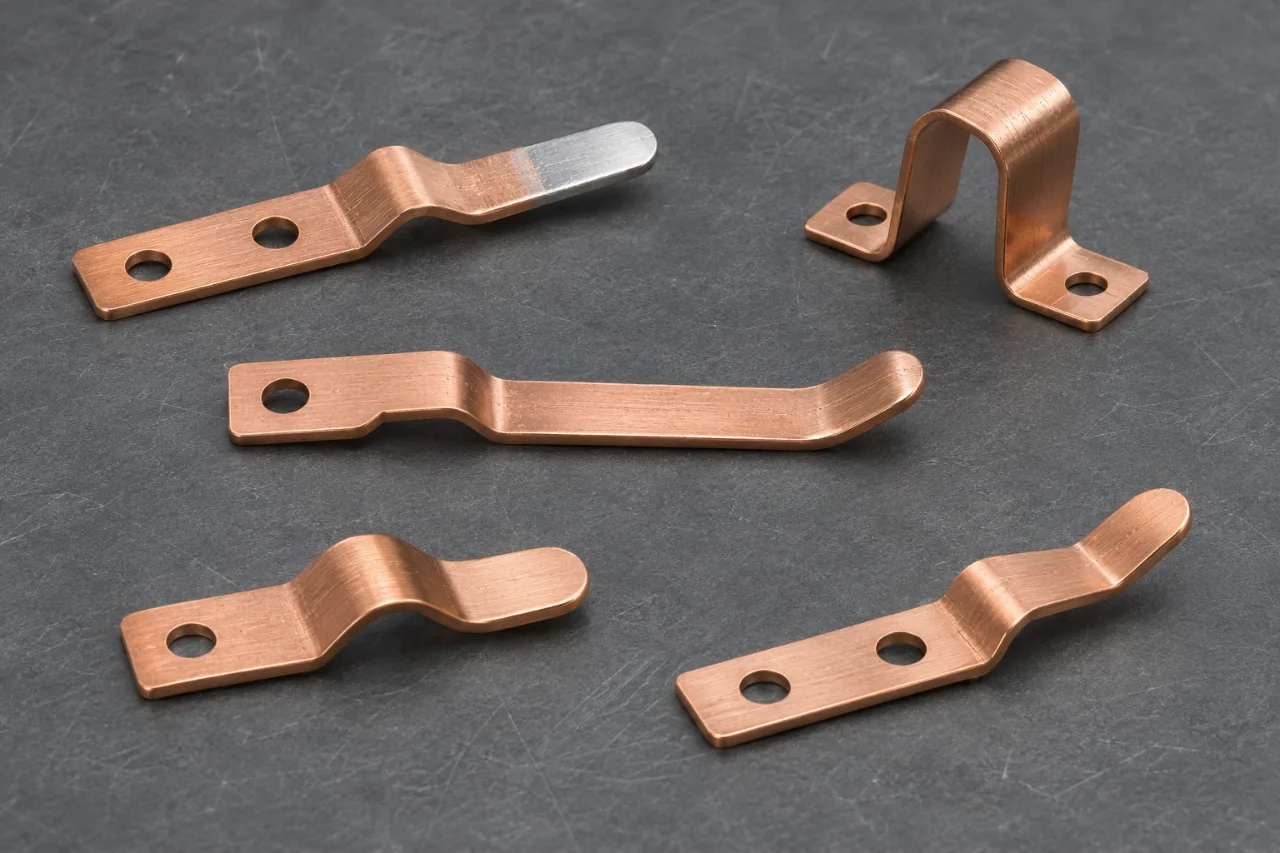
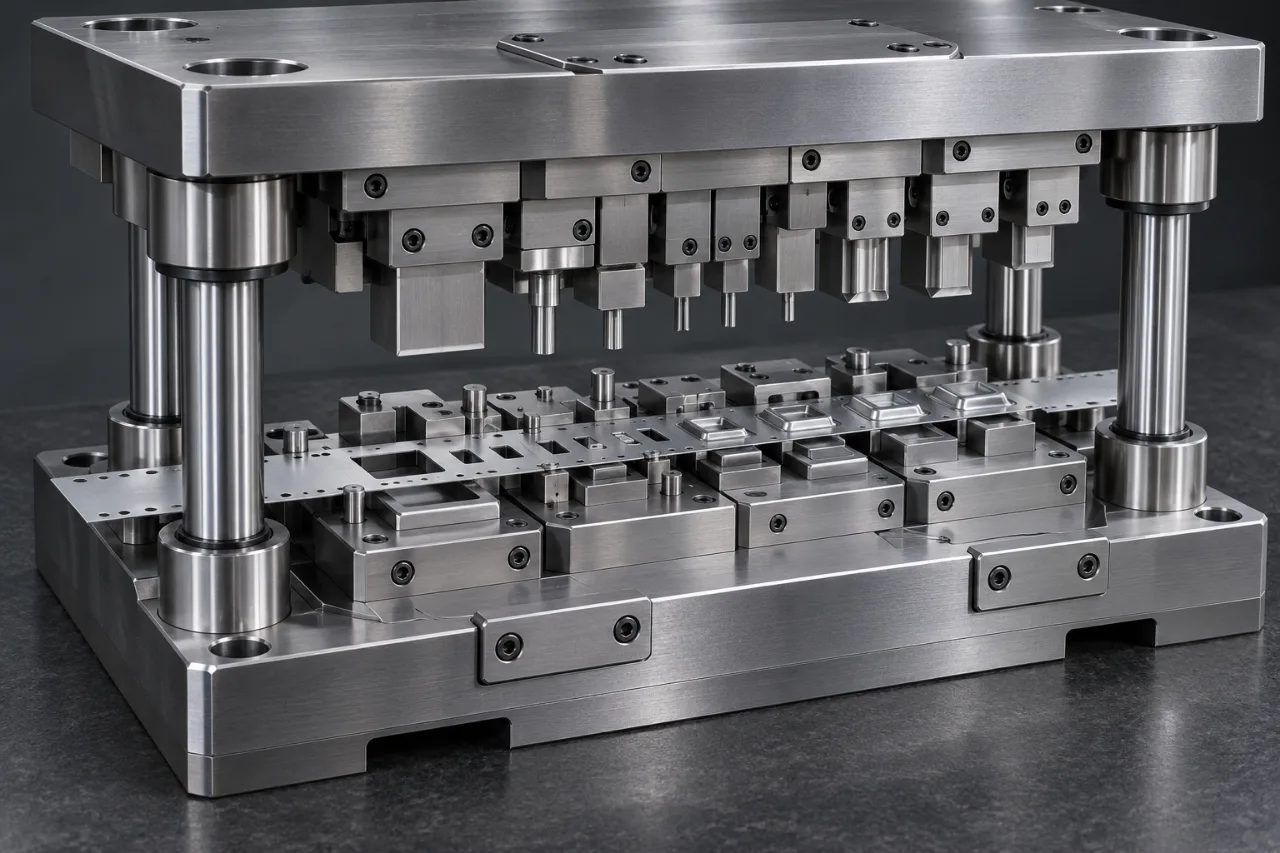
An externally supplied stamping die has two connected jobs: produce the specified component and fit the equipment where the buyer intends to run it. This engineering case makes the receiving press, feeding arrangement and handover requirements part of the tooling brief from the start. It follows the project from part review and equipment interfaces through die trials, approval records and preparation for transfer. The buyer can then assess the tool, installation inputs and ongoing support as one clearly defined purchase.
- Customer
- OEM receiving production facility
- Component
- Externally supplied stamping die for a defined component and receiving setup
- Manufacturing route
- Die development, receiving-interface review, trials and tooling handover
- Material
- Tooling materials matched to the approved component material and die concept
01 / The challenge
Make the requirement work in the real assembly.
A die-only order must connect two specifications: the component that must be made and the production setup where the tool will run. The buyer needs to bring both into the review before construction. A part drawing without approved receiving interfaces leaves the tooling scope incomplete for the intended installation.
The purchase also needs an identifiable handover package. Trial approval, included files, ownership, wear components and transfer preparation should be stated while the tool is being specified. This makes the installation inputs and delivery responsibilities concrete enough for engineering, purchasing and the receiving team to review together.
- Purchase scope
- Supply a stamping die against a controlled part package and a defined receiving press, with the included assets and support identified in the order.
- Equipment inputs
- Review press, feeding, mounting and handling interfaces using information approved by the receiving production team before the design is released.
- Trial approval
- Connect the agreed material, identified samples and inspection scope to the part revision and the tool corrections or changes required for approval.
- Handover requirement
- Check tool identification, accepted sample records, included files, wear components, maintenance scope and shipment preparation against the agreed deliverables.
02 / Engineering approach
Turn the difficult details into a manufacturing plan.
Bring the part and receiving equipment into one brief
The project is a die-only purchase for a buyer that plans production on its own or another designated press. The part drawing defines the component, while the receiving equipment defines the physical and operating interfaces the tool must accommodate. Start with the controlled part revision, material specification and expected production route, then attach the relevant press and feeder information. Neither package on its own fully describes the tooling scope.
Assign a clear point of approval for the equipment information. Include the press identification and the dimensions or interface drawings used for the tool review, rather than relying on a general press description. Identify the planned material form, feed direction and handling arrangement. This lets tooling design, the receiving production team and purchasing work from the same set of installation inputs before construction details are finalized.
Define the mechanical and feeding interfaces
The interface review covers the agreed die envelope, shut-height requirement, bolster and slide arrangement, clamping locations and the available installation space. Include any specified mounting features, locating interfaces and access needed by the receiving team. Review scrap or part removal and the handling of the tool as part of that envelope. The objective is an interface package that the buyer can approve against its actual receiving setup.
Feeding information belongs beside the press data. State the strip or blank condition, feed direction, relevant line arrangement and the location of any buyer-specified interfaces. For a progressive route, review the carrier, feed pitch and part separation concept with the receiving team. Where sensors or other devices form part of the supply scope, identify the required interfaces and deliverables explicitly. This makes the boundary between supplied tooling and receiving equipment a practical design input.
Release a die scope with identifiable deliverables
The proposal should identify the die type, included cutting and forming operations, trial arrangements and any fixtures or gauges in the order. Separate the physical tool from optional documentation, spare items and support activities so purchasing can compare the same supply package. Agree the part and equipment revisions used for release. Where the buyer requests a design review, define the information supplied and the approval point before construction proceeds.
Ownership should identify the physical assets and included files, rather than relying on an undefined statement that tooling belongs to the buyer. State the access and transfer arrangements, tool identification and storage responsibilities. Agree the maintenance and wear-component scope relevant to the planned program. These items turn an equipment purchase into a documented project with understandable deliverables, making the handover easier to organize when the tool is ready to move.
Connect die trials to part approval and transfer
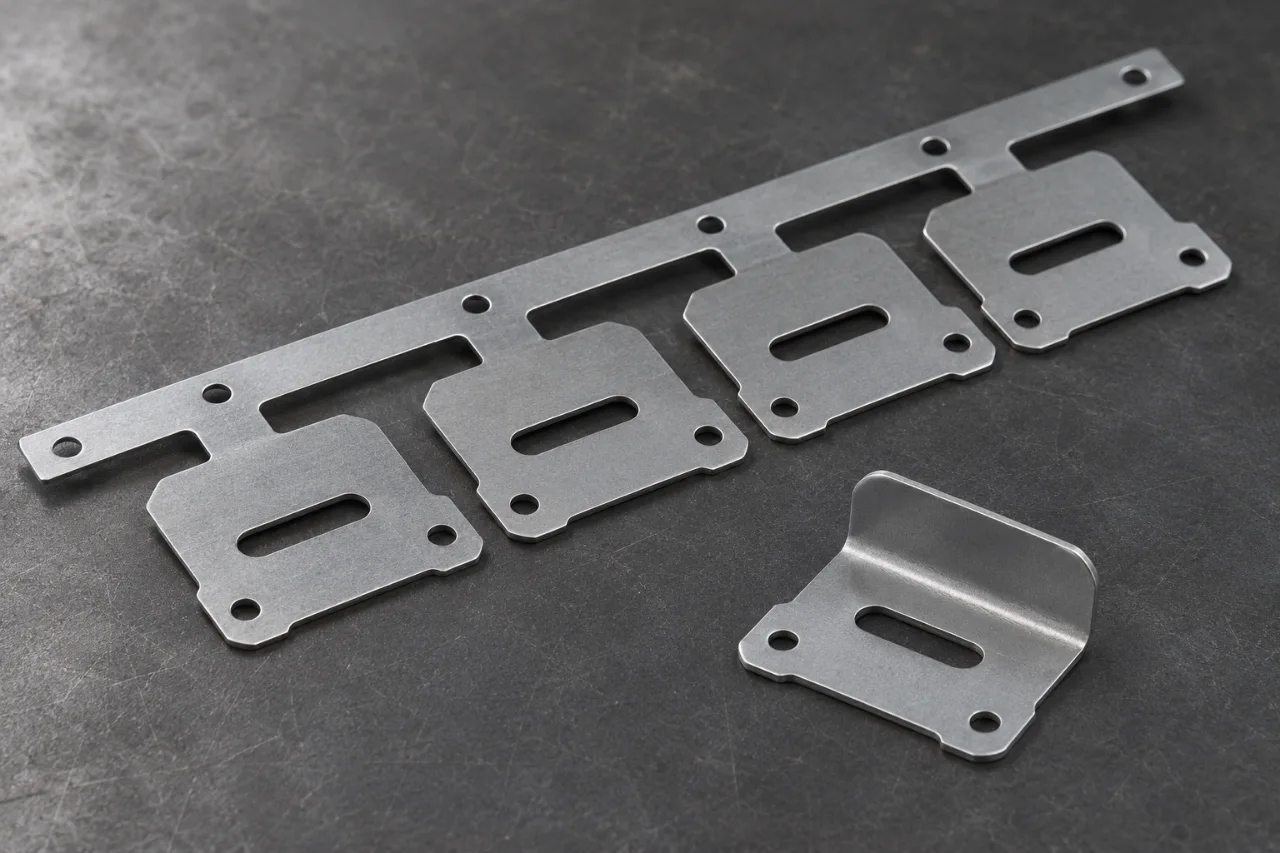
Agree the trial material, sample quantity, inspection criteria and the condition in which trial parts will be evaluated. Use the released part drawing and identified critical features. Include secondary operations or finish where they are needed to approve the completed component. Record the trial setup information and the supplied material identity in the agreed handover package so the receiving team has a useful reference for the tool and its accepted output.
Keep tool corrections, drawing clarifications and buyer-requested changes distinct in the project record. Close each item against the agreed follow-up sample or report. Where the receiving installation has its own acceptance step, state how that step relates to the dispatch approval and what information supports it. The purchasing value lies in knowing which deliverables establish readiness for transfer and which checks establish acceptance in the receiving production setup.
Prepare the information and physical tool for handover
A handover list can include tool identification, the approved part revision, trial results, accepted samples, setup information and agreed maintenance or wear-item details. Add the specific drawings and files included in the purchase scope. Identify how changes are recorded and which contact handles technical questions during transfer. The contents should match the commercial agreement so the receiving team can check the package against a concrete list.
Packing and transport should be planned around the tool as well as its paperwork. Agree lifting or handling provisions included in the supply, protection of exposed and working surfaces, identification and the packaging required for the chosen shipment. State the destination, delivery basis and receiving arrangements. The tool purchase can then move through approval and dispatch with its physical interfaces, documents and commercial responsibilities connected to the same project reference.
03 / Production route
From the first drawing to the next release.
- 01
Confirm the receiving setup
Provide the part package and approved press, feeding and handling inputs. Identify who approves the equipment interfaces used for tooling release.
- 02
Release the supply scope
Agree die operations, mechanical interfaces, trial plan, files, included assets and ownership. Record the part and equipment revisions that define the project baseline.
- 03
Trial and close approval items
Inspect identified trial parts against the released requirement. Keep corrections, drawing clarifications and requested design changes distinct until the agreed approval items are closed.
- 04
Check the handover package
Match the physical tool, sample records, setup information, included wear items and packing to the agreed deliverables. Connect dispatch and receiving checks to the project reference.
04 / Quality & acceptance
Give engineering and receiving the same reference.
| Control point | What defines approval |
|---|---|
| Equipment interface | Agreed mounting, shut-height, envelope and feed-interface requirements reviewed against receiving equipment data. |
| Part output | Trial samples checked against the released geometry, material and specified final acceptance condition. |
| Included documentation | Tool identification, approved revision, trial results and the files listed in the purchase scope supplied together. |
| Transfer preparation | Packing, handling provisions, protection and delivery identification matched to the agreed shipment requirements. |
05 / Results & repeat supply
Connect the engineering work to purchasing value.
Manufacturing performance benchmarks for sampling, production and final acceptance.
- Sample turnaround
- 3–7 days
- Standard part-sample turnaround
- Production window
- 12–20 days
- Repeat part-production window
- Drawing conformity
- 100%
- Drawing-dimension conformity at final acceptance
- Lead-time reduction
- 25–40%
- Delivery lead-time reduction baseline
The production baseline supporting the tooling program includes 100% drawing-dimension conformity, a 3–7 day standard part-sample turnaround and a 12–20 day repeat part-production window. The die scope connects that part requirement to the agreed equipment interfaces, sample acceptance and included handover deliverables. Tool construction and release milestones remain defined in the project agreement.
The wider delivery baseline includes a 25–40% lead-time reduction, with first approved orders developing into long-term batch repeat relationships. A useful die handover preserves the approved part revision, sample records and tool identity so future releases and support questions have a common reference. Ownership, maintenance and change responsibilities remain attached to that same project scope.
The buying objective is an externally supplied die with clear equipment inputs, defined trial acceptance and a practical handover package. Bringing the receiving team into the interface review early makes the tooling proposal more useful to engineering and purchasing. Send the press information with the part drawing so the tool is discussed in the context of its next production setup.
A complete proposal makes the mechanical interfaces, trial work and handover list reviewable before the buyer authorizes construction. It also distinguishes the physical die, included documentation, spare items and agreed support. That clarity helps purchasing compare tooling offers and gives the receiving team a practical list to check when preparing for transfer.
Customer feedback
Customer feedback emphasizes stable tolerances, responsive technical communication and help resolving earlier supplier quality and delivery issues. For external tooling procurement, those priorities support an orderly exchange between the die team and receiving production team, with clear approval records and continuing support tied to the approved supply baseline.
06 / Project questions
Before you quote a similar component.
What should accompany a die-only enquiry?
Send the controlled part drawing and model, material specification, receiving press and feeder data, intended production arrangement and required handover list. Identify trial and inspection expectations along with ownership and included files. This gives the tool review both the component and equipment context.
How are dispatch approval and receiving approval connected?
State the deliverables and checks used to authorize dispatch, then identify any agreed checks at the receiving installation. Keep both stages connected to the tool identity, part revision and accepted trial reference. The project scope should make the approval responsibility and required information clear at each stage.
Should the receiving team approve the tool interfaces?
Identify the person or team responsible for approving the press and feed information used for design release. Supply the relevant interface drawings and revisions, then connect the approval to the tooling scope. This keeps installation inputs consistent across purchasing, design and the receiving setup.
What should remain with the tool after approval?
Keep the tool identity, part revision, accepted sample reference, trial results and the setup or care information included in the order together. Add the supplied design files and agreed wear-component details. The handover list should match the physical assets and documentation identified in the commercial scope.
07 / Your project
Show us the part and its next press.
Send the controlled part package, approved press interfaces and handover requirements. Build a tooling proposal around the equipment, trials and deliverables your receiving team needs.
- Controlled part drawing, model, material and intended die route
- Receiving press identification and approved mechanical interface data
- Feed direction, material form, carrier or blank-handling requirements
- Trial samples, inspection, dispatch and receiving acceptance requirements
- Ownership, included files, wear components, packing and delivery scope