
Core capability / stamping die development
Stamping Tooling, Trials & Die Ownership
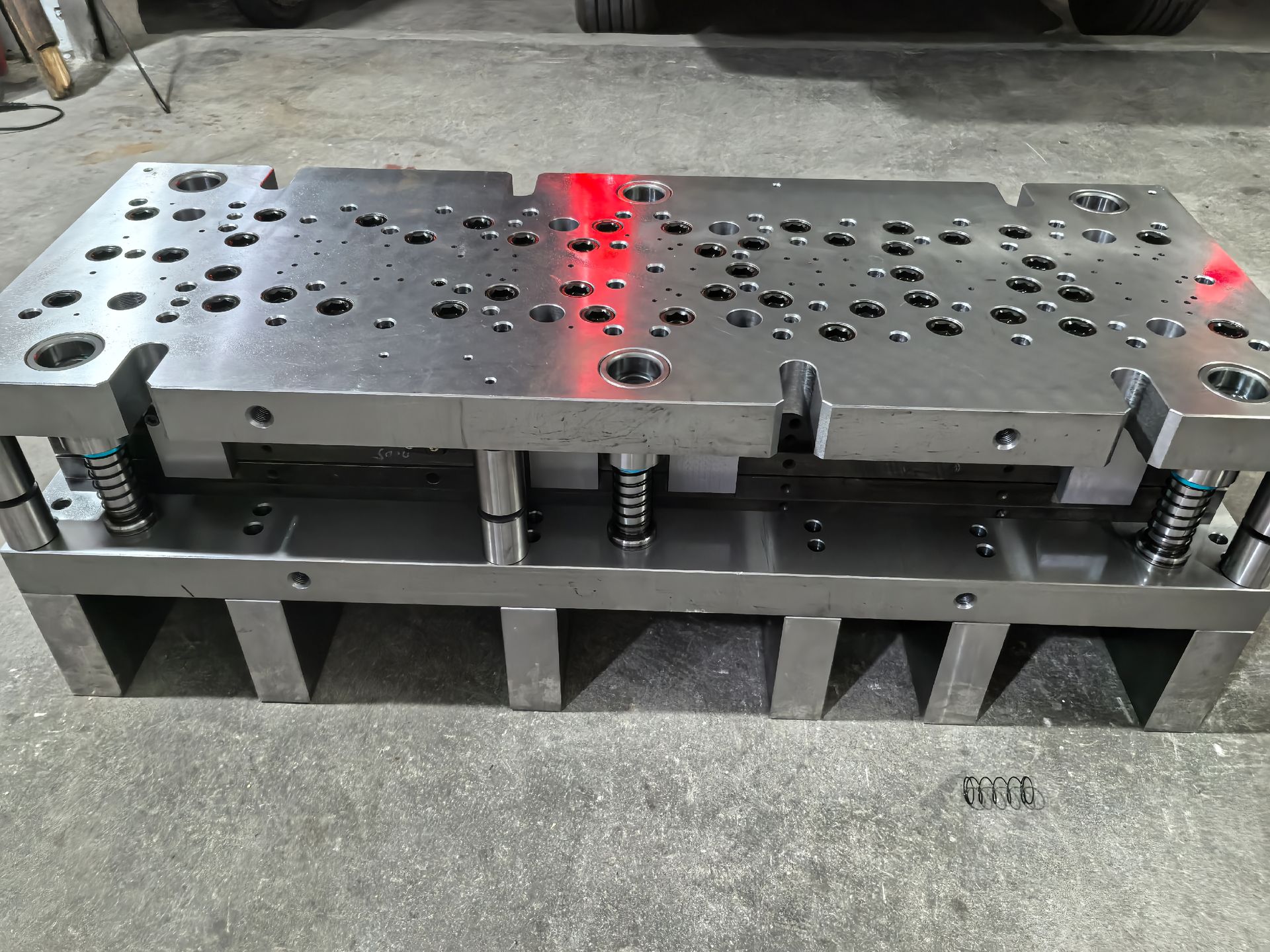
Stamping die development is a core part of WenXinDa's work, from part and process review through tooling scope, die trials and production handover. A die must do more than produce a first sample: it needs to support the specified material, repeat demand and agreed inspection requirements. We keep the design revision, trial corrections, sample approval and ownership terms connected throughout the project.
Process at a glance
The die is developed before the repeat run
The part drawing and material condition guide the blanking, piercing, forming and trimming concept. Tool construction follows the agreed scope. Die trials then check the result against measurable part requirements, with corrections recorded before sample approval and production handover.
The operation creates the geometry; the part function determines which features need the closest control.
01 Fit
What a tooling scope should explain
A useful proposal explains the tool itself and the production it supports. Buyers should be able to see the proposed operations, trial deliverables and ongoing responsibilities without reading between the lines.
Part review and die concept
Connect the released drawing, material, critical features and demand forecast to a die type, operation sequence and any secondary work.
Die trials and sample approval
Define trial material, sample quantity, inspection scope, correction responsibilities and the evidence needed for sign-off.
Production handover and tool care
Record the accepted sample, included assets, ownership, storage, maintenance and transfer arrangements before repeat orders depend on the die.
Design review
Plan the tool for the life of the part
Think beyond the first successful sample. Access to wear components, maintenance records and a clear change process help keep later orders consistent.
- Confirm the tool type, cutting and forming sequence, press requirements and any included gauges or fixtures.
- Identify the drawings, design files and physical assets included in ownership.
- Agree trial material, sample condition, correction rounds and objective acceptance criteria.
- Define storage, preventive maintenance and replacement of wear components.
- Record the approved sample, part revision and inspection requirements for the production handover.
- Set a written path for design revisions and transfer of the tool if needed.
02 Decisions
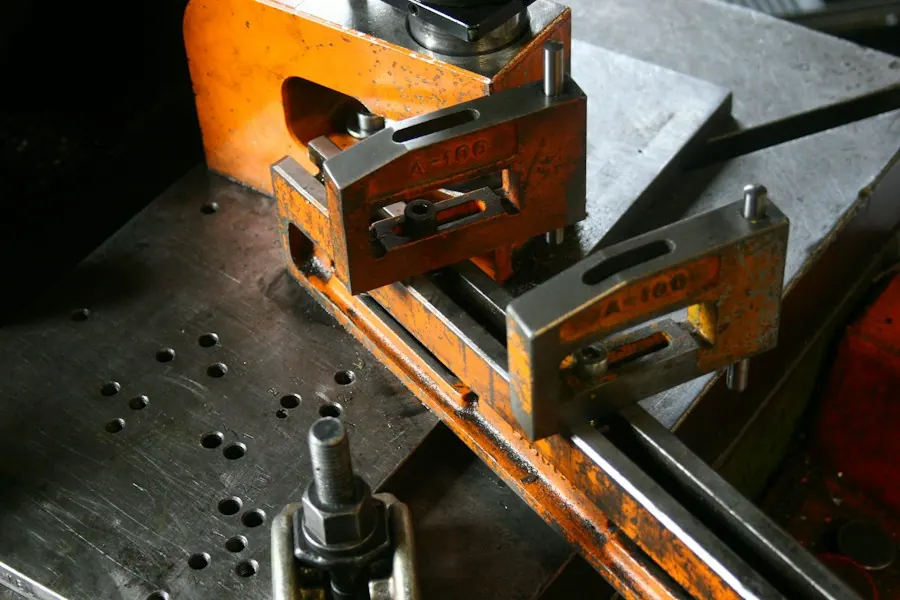
Separate the die from the part price
Keep tooling investment separate from the production part price. It makes die ownership, trial work and maintenance easier to compare between sourcing options.
| Decision | What to specify | Why it matters |
|---|---|---|
| Design and construction | Die type, operations, included files, fixtures and compatibility requirements | The quoted scope must match the complete part and intended production setup. |
| Trial and correction | Material, sample condition, inspection results and included correction work | A trial needs measurable acceptance points and a way to close open issues. |
| Ownership and access | Physical die, included design files, storage and transfer arrangements | The commercial agreement should identify the assets and the rights attached to them. |
| Production handover | Approved sample, released part revision and recurring inspection requirements | The first repeat order needs the same baseline as the accepted trial. |
| Maintenance and change | Tool service, wear components, revision requests and approval responsibility | Repeat quality depends on tool condition and controlled modifications. |
03 Project route
A tooling project with clear checkpoints
Each stage produces something useful to approve: the part specification, the tooling scope, the trial result and the production release.
- 01
Review the part and process
Confirm the design revision, material, critical features, forming sequence and expected demand.
- 02
Release tooling scope
Agree the die concept, included deliverables, ownership, construction milestones and trial plan.
- 03
Trial, inspect and correct
Check trial parts against the agreed criteria. Record die adjustments, drawing clarifications and the follow-up samples required.
- 04
Approve and hand over
Keep the accepted sample, inspection result, released revision and tool care arrangements with the production baseline.
04 Applications
Tooling support for new, transferred and repeat programs
A new die, an existing tool and a long-running production program each need a different starting review.
New stamped design
Trial iterations should be expected and linked to a revision-controlled drawing.
Transfer project
An existing die needs condition, compatibility and ownership review before production.
Long-running program
Maintenance, spare components and change history matter to repeatability.
For a new die, agree the tooling deliverables and acceptance scope before construction. For an existing tool, provide drawings, current condition, service history, recent samples and intended press information so transfer or modification can be reviewed.
05 Common questions
Questions before you request a quote
Straightforward answers to the design, manufacturing and purchasing questions that come up before an order.
What should a stamping tooling quote include?
It should identify the die type, included operations, trial samples, inspection scope and production handover. List fixtures or gauges separately and record ownership, storage, maintenance and change responsibilities.
How is a stamping die approved?
Trial parts are checked against the released drawing and agreed acceptance criteria. Any corrections are recorded, followed by the sample or report needed to release the tool for production.
Are trial corrections included in the tooling price?
The quotation should define the included correction scope and distinguish tool adjustments from a buyer-requested part revision. Agree the inspection criteria, correction responsibilities and approval steps before the die is commissioned.
Who owns the die and tooling drawings?
Ownership belongs in the commercial agreement. Define the physical die, included design files, storage location and the arrangements for access or transfer so both parties have the same understanding.
What should remain with the die after approval?
Keep the tool identity, released part revision, accepted sample, trial inspection results and agreed maintenance arrangements together. Include setup or compatibility information and wear-component details where they are part of the tooling scope.
What information helps with a tooling transfer?
Provide tool drawings, press requirements, service history, current condition and recent sample results. These help identify compatibility, wear components and any trial work needed at the receiving location.
Prepare an RFQ
Request a stamping tooling proposal
Send the part package and expected demand, then identify the tool deliverables and approval evidence your team needs. Include die drawings, condition and trial history for a transfer or modification project.
- • Controlled part drawing, formed model and material condition
- • First release, repeat demand and expected program life
- • Trial material, samples, inspection and gauge requirements
- • Ownership, included files, storage, maintenance and change terms