
Metal stamping · Dies & tooling
Metal stamping & die tooling services
Source custom stamped metal parts and stamping dies with WenXinDa. Review the part and tooling together, from material and forming requirements to trial approval and repeat production. Sheet metal fabrication and CNC machining support the wider project scope.
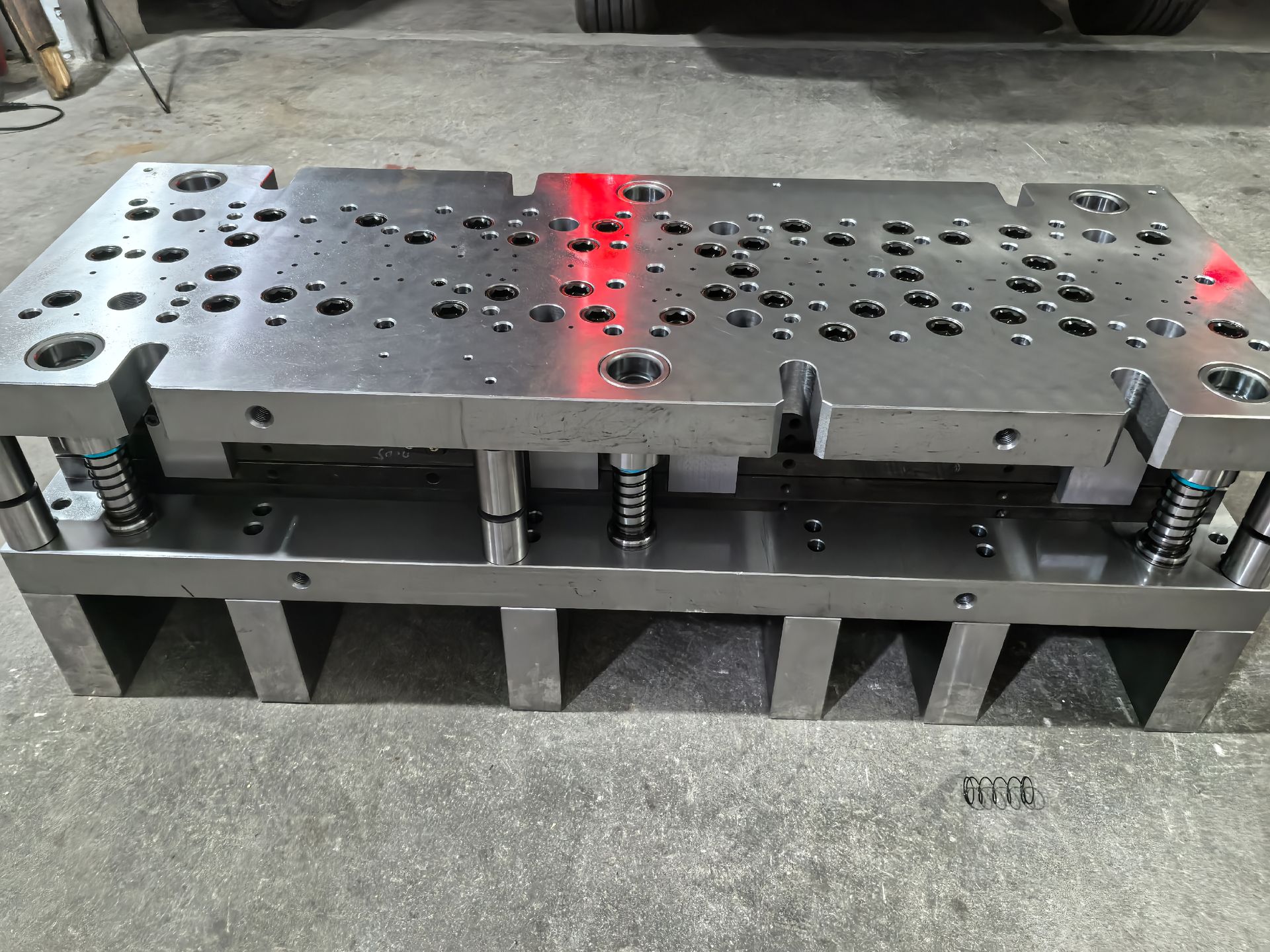
01 Metal stamping
Metal stamping
Metal stamping is a core focus at WenXinDa. Dedicated dies cut and form sheet metal for clips, contacts, brackets, and other repeat components. The part drawing, material condition, functional edges, and expected releases form the starting point for review.
We connect the part specification with the tool approach and trial approval. Define critical formed features, burr direction, springback-sensitive geometry, finish, and inspection before production. The quotation should separate tooling from repeat part pricing and identify any secondary operations.
- Part types: clips, retainers, contacts, brackets, pierced blanks, and formed components.
- Review: grade, thickness, temper, bend relationships, edge condition, and material use.
- Plan: initial batch, repeat releases, trial samples, and inspection records.
- Approve: drawing revision, functional checks, finish, and packing before production release.
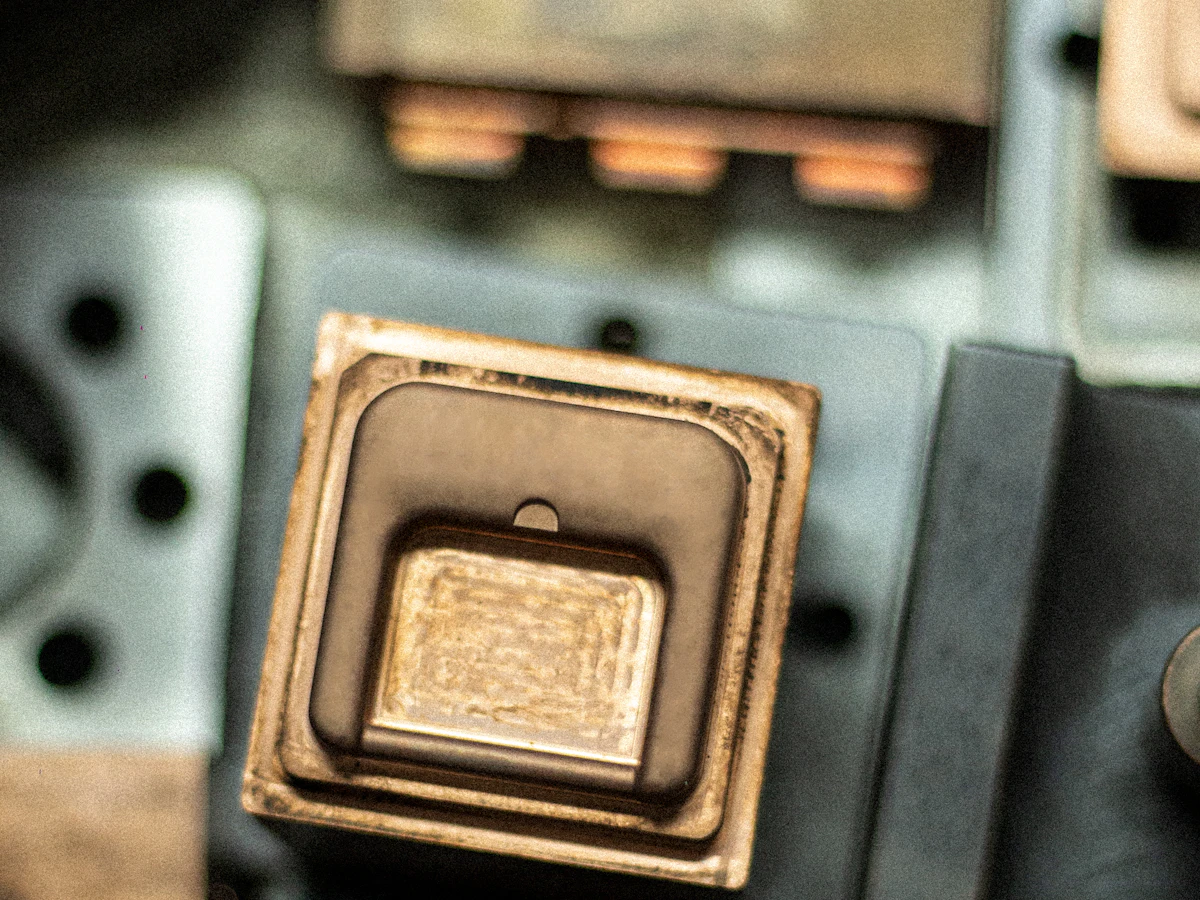
02 Stamping dies & tooling
Stamping dies & tooling
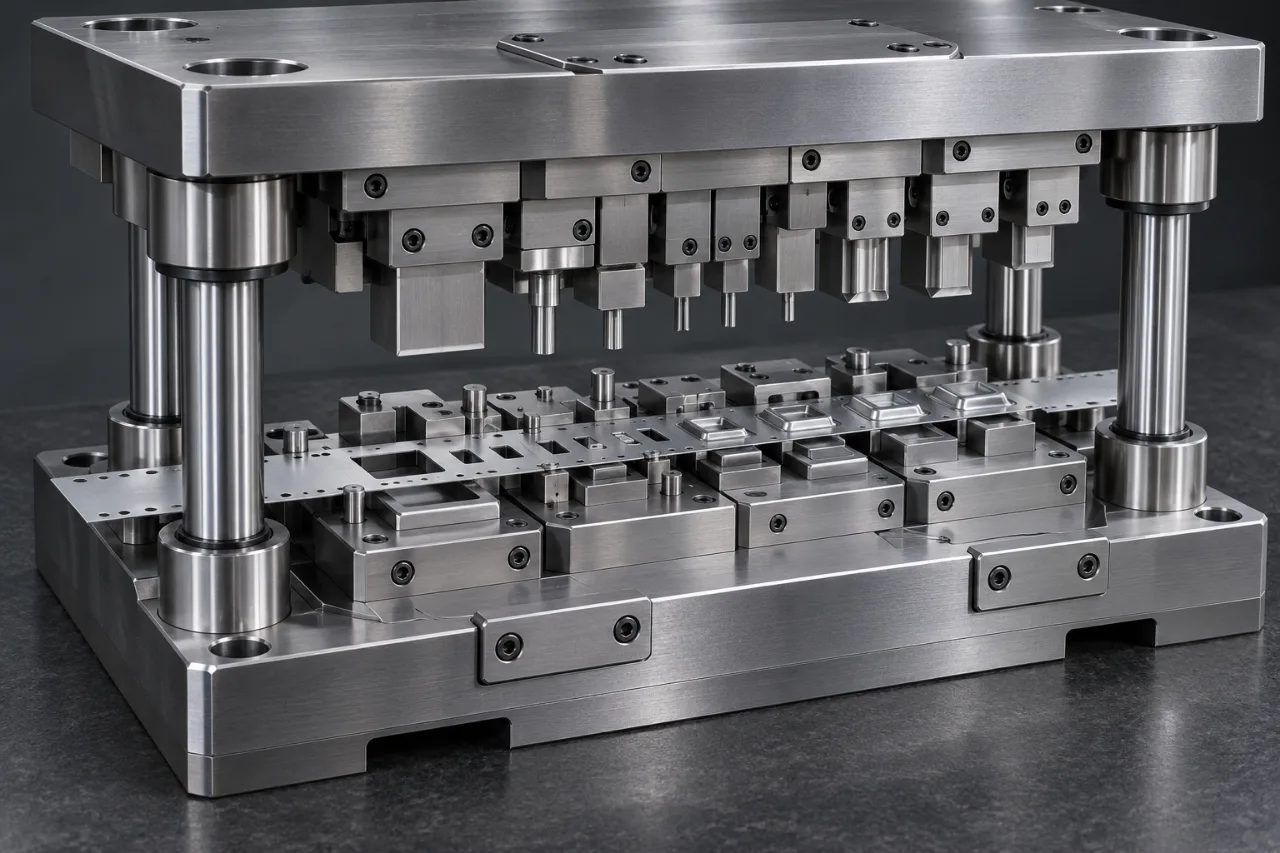
Stamping die development is a core part of the project, from the proposed forming sequence to tool trials and sample approval. Start by defining the finished part, material condition, expected demand, and whether the order is for a die, stamped parts, or both.
Agree the die scope, trial material, sample checks, and acceptance criteria before the tool order. For a tool intended to run elsewhere, review receiving press interfaces and handover requirements. Ownership, storage, maintenance, wear parts, and later revisions should be covered explicitly in the agreed scope.
- Development: part review, process concept, tool scope, and approval stages.
- Trials: material, sample quantity, measurements, fit checks, and adjustment responsibilities.
- Handover: tool identification, ownership, interfaces, documents, and storage or shipment.
- Service: maintenance responsibilities, wear parts, repairs, and change approval.
Supporting operations
Supporting operations
Keep secondary features and related components in the same review, with a clear specification for each operation.
Sheet metal fabrication
Cut, bent, and assembled features for related brackets, covers, and panels. Define thickness, bend direction, hardware, joining, and finish with the finished assembly drawing.
Explore sheet metal fabricationSupporting CNC machining
Milling and turning for tooling components, secondary features, and related machined parts. Identify datums, fits, threads, access, and the condition in which features are inspected.
Explore CNC supportBeyond the shape
Secondary operations
A complete component includes edge preparation, surface finish, and the checks that support assembly. We consider these operations with the primary manufacturing process.

Deburring and edge finishing improve handling and prepare parts for assembly or coating. Functional edges receive specific attention, especially where parts slide, seal, or contact an operator.
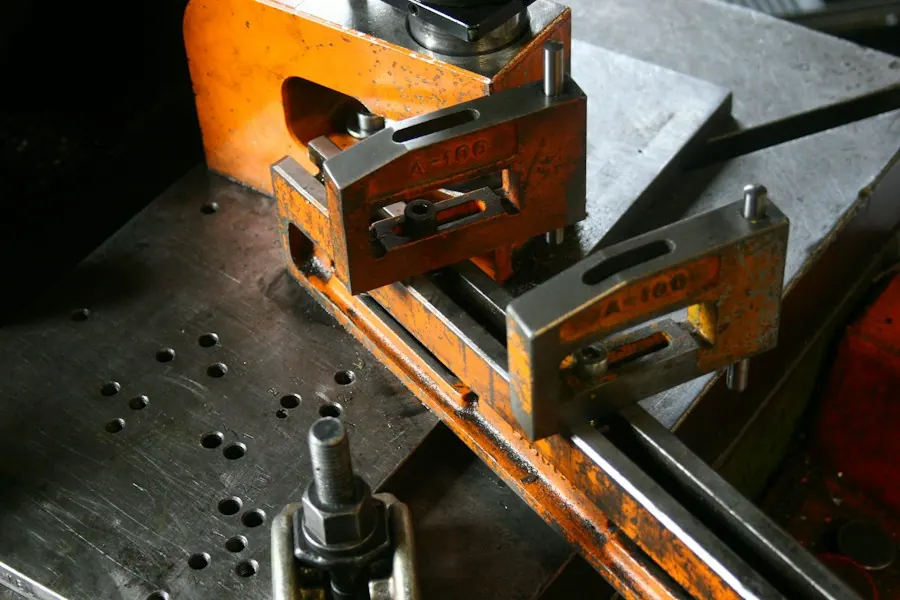
Tooling makes a repeated shape practical to produce. The tool scope brings sample approval, maintenance, and future design changes into the project from the start.
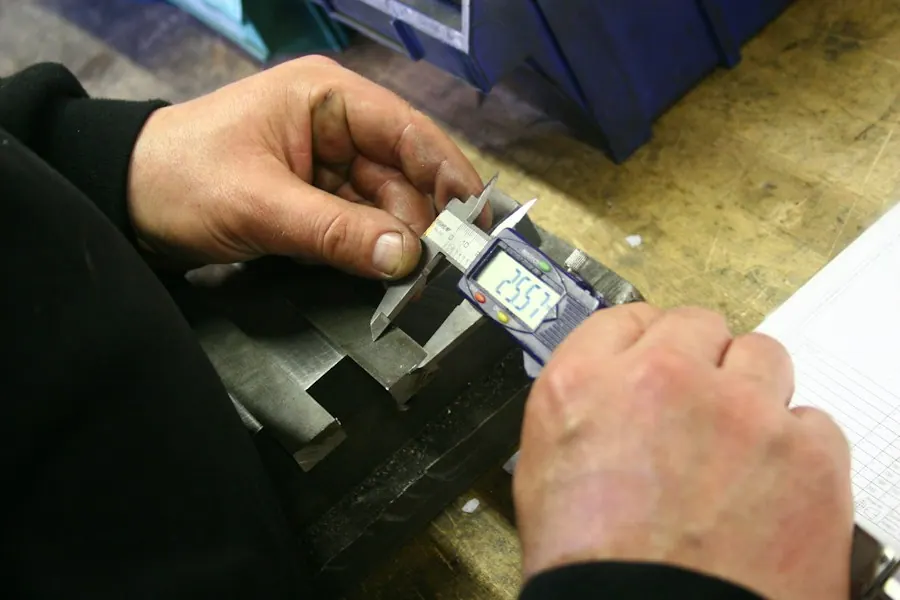
Inspection focuses on the features that determine fit and function. A defined sampling plan and report format give the receiving team a useful record against the approved drawing.
Process selection
Process comparison
Compare the complete manufacturing route: setup or tooling, material use, unit cost, and secondary operations. The best option changes with geometry, design stability, and repeat demand.
| Your part or priority | Route to review | Decision to resolve |
|---|---|---|
| Stable sheet component with repeat demand | Metal stamping | Forming requirements, material condition, tool investment, releases, and approval. |
| New die or a die-only project | Stamping die development | Receiving press compatibility, trials, ownership, maintenance, and handover. |
| Uniform sheet thickness with folds or joined panels | Cutting, bending, and fabrication | Bend geometry, hardware installation, assembly datums, and finish. |
| Tool component or precision secondary feature | Supporting CNC milling or turning | Tool access, datum references, fits, and operation sequence. |
| Formed blank with precision mating features | Forming plus machining | Operation sequence and a common datum scheme for the finished part. |
| Prototype with revisions still expected | A route with manageable setup and tooling changes | Which features must represent production and which are for fit checks only. |
Match the project stage
Prototypes, trials and repeat production
From a fit-check prototype to a production release, each stage needs a different balance of flexibility, process control, and inspection. We help you plan the next step.
Prototype for learning
Get parts in hand to test fit, assembly, and appearance. We can explore a practical prototype route while the design is still evolving; for a stamped part, a cut and formed sample may answer the first design questions before tooling.
Pilot for approval
Establish the approved drawing, material, finish, and inspection reference before increasing the order size. A pilot batch helps your team evaluate the parts using the intended manufacturing route and record any final adjustments.
Repeat production
Use the approved revision as the basis for repeat supply. Expected releases guide tooling, material, and packing decisions, while changes to the part or delivery location are reviewed with the next order.
Quote comparison
Cost factors
See how tooling, material, finishing, inspection, and delivery contribute to the order. A like-for-like comparison helps you choose an option that fits the project budget.
| Cost driver | Why it moves the price | How to clarify it |
|---|---|---|
| Setup & tooling | Die development, trials, adjustments, and approval work are initial project costs distinct from repeat stamped-part pricing. | Request one-time and repeat charges separately; state forecast and expected design changes. |
| Material use | Strip layout, thickness, temper, material yield, and purchase quantities affect stamping cost and waste. | Specify the grade and form; say whether an approved equivalent is acceptable. |
| Feature complexity | Piercing and forming stages, springback, edge requirements, tool wear, and critical dimensions affect the tool concept and inspection. | Identify the features that truly control function; mark optional geometry clearly. |
| Finishing & assembly | Coating, masking, hardware installation, welding, marking, and packaging may be separate steps. | List each operation and its acceptance criteria on the drawing or RFQ. |
| Inspection & delivery | Report detail, sample size, certificates, protective packing, and freight terms change the delivered scope. | Agree the evidence package and named delivery point before comparing totals. |
Complete the specification
Surface finishing
Anodizing, plating, powder coating, and other treatments can change appearance, corrosion protection, and fit. We review the finished condition with the geometry: threads may need masking, a mating face may need to stay uncoated, and a visible panel may need a color or texture reference. Including these details early keeps finishing connected to the manufacturing plan.
Tolerances & finish planningMaterial definition
State the grade, temper or hardness, and stock form. If an alternative is acceptable, define the approval process.
Functional surfaces
Identify sealing faces, bearings, threads, electrical contacts, and mating surfaces that the finish could affect.
Cosmetic acceptance
Define visible faces, color, texture, grain direction, and an approved sample or written acceptance criteria.
Evidence with delivery
Specify dimensional reports, material certificates, coating records, or other documents before the quote is finalized.
RFQ checklist
RFQ requirements
Send what you have. A current drawing, material preference, order quantity, and delivery destination give us a useful starting point; open choices can be worked through during the review.
- 01
Current drawing
A dimensioned drawing and available CAD, with matching part number, revision, and units.
- 02
Material & quantity
Grade, condition, order quantity, and expected repeat demand if known.
- 03
Acceptance criteria
Critical dimensions, finish, inspection records, and sample approval requirements.
- 04
Delivery context
Required date, destination, packing requirements, and preferred trade term.
Add the process-specific details
A few process-specific notes help us make the quotation more useful. Add the details below where they apply to your part.
| Process | Additional information to send |
|---|---|
| Metal stamping | Provide grade, thickness, temper, release forecast, functional burr direction, critical formed features, sample approval, finish, and inspection requirements. |
| Stamping dies & tooling | Define tool supply scope, receiving press interfaces, trial material, sample checks, handover documents, ownership, maintenance responsibilities, and change approval. |
| Sheet metal fabrication | State thickness, bend direction, critical inside radius, installed hardware, joining, visible faces, finish, and finished assembly requirements. |
| Supporting CNC machining | Identify tooling components or secondary features, datum references, fits, threads, surface requirements, and the condition in which dimensions are inspected. |
Multi-process parts
Combined manufacturing routes
A fabricated bracket may need machined mounting faces, while a stamped contact may fit inside a sheet metal housing. We review these interfaces with the assembly, helping you coordinate the sequence, joining, and final inspection in one enquiry.
- Define interfaces: show mating parts, stack-ups, fastener access, and the dimensions that connect separate components.
- Define operation order: note whether holes, threads, or close fits are created before or after forming, welding, or coating.
- Define acceptance: say whether parts are inspected individually, as an assembled unit, or at both stages.
- Define supply scope: identify purchased hardware, subassemblies, marking, packing, and any work that must be completed by another supplier.
An assembly drawing and bill of materials let us review the complete supply scope. Include the individual files and identify any purchased components that belong in the finished unit.
Send an assembly RFQService questions
Service questions
Find the process that fits your part, then send the drawing for a closer review. These answers cover the choices buyers ask about most often.
More RFQ answersCan I order a stamping die without a production order?
Enquire with the part drawing, material condition, expected releases, receiving press interfaces, and handover requirements. The quotation needs to define the tool scope, trials, acceptance, ownership, and support responsibilities for a die-only project.
When does stamping become worth discussing?
Discuss stamping when a sheet component has a stable drawing and an expected repeat order pattern. The quote should show the tooling scope, sample approval approach, expected release quantities, and how revisions or maintenance are handled. There is no universal break-even quantity for every part.
Is a 3D model enough for a quote?
A 3D model helps communicate geometry, but a dimensioned 2D drawing carries tolerances, datums, material notes, finish requirements, hardware, welds, and inspection instructions. For formed sheet, add bend direction and the finished assembly requirements. Keep part number and revision consistent between files.
Can one request include several processes?
Yes. Send the assembly drawing and bill of materials with the individual part files. Identify which interfaces must fit together and where joining, machining after forming, or finishing after assembly is required. A combined scope should state what is included in the delivered assembly.
What if the material or finish is undecided?
State the functional requirement and mark the choice as open. Describe the operating environment, corrosion exposure, appearance standard, or electrical need. An alternative should be reviewed and approved against those requirements before it becomes part of the order.
Buy the complete manufacturing route
Part and tooling scope
A part can look simple and still need careful coordination. Connect the forming operation, secondary features, finish, and inspection before you compare suppliers or approve the tooling budget.
A formed bracket with a locating interface
Begin with the surfaces that mount to the assembly. Review whether the locating hole is pierced before forming or finished afterward, how the bend moves the interface, and where coating is permitted. Quote the complete sequence and check the finished part from its assembly datums.
A spring clip that must retain its fit
Put material grade and temper beside the working deflection and mating geometry. Tool design, burr orientation, grain direction, and treatment sequence all belong in the review. Use a functional sample check alongside dimensional inspection so the approval addresses how the clip is used.
A contact with a protected working surface
Separate the contact area from the general appearance surfaces. Specify plating, masked areas, burr direction, and the way parts will be handled after finishing. Include any functional checks and packaging that keep the working face ready for assembly.
A stamping die for your production floor
Define the receiving press, feed direction, production strip, die interfaces, and acceptance parts. Separate the tool asset, trial work, spare components, drawings, and handover records in the proposal. A die-only project needs its own supply scope alongside the part specification.
Which of these looks closest to your project? Send the drawing and highlight the interface or process issue you want to resolve. Ask for the part and tooling costs to be separated and the optional operations to be visible. That makes the next purchasing decision easier to explain to engineering, quality, and finance.
Next step
Request a quote
Send the part drawing, material condition, release quantities, and delivery needs. Tell us whether the scope is stamped parts, a die, or both so we can review tooling, trials, finishing, and inspection together.