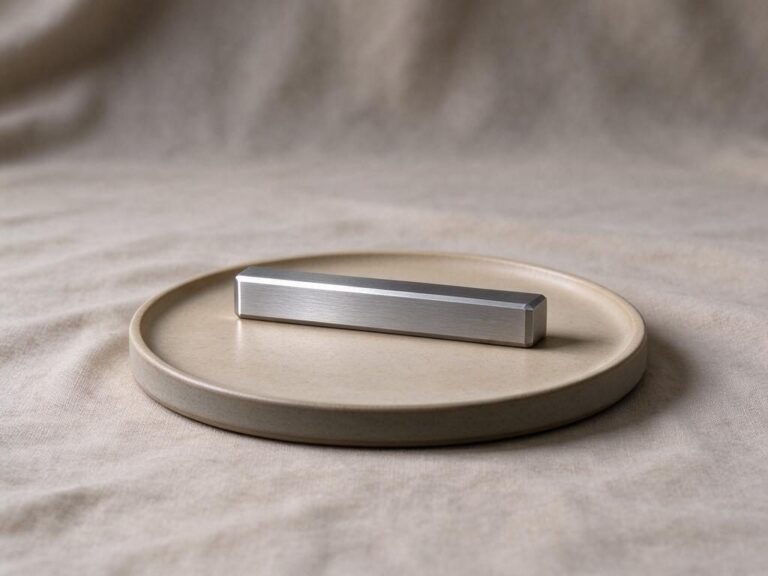
Turning rotates the workpiece against a stationary tool and is ideal for shafts, bushings, and axisymmetric features. Milling fixes the workpiece (or moves it on multi-axis machines) while rotating cutters remove material—better for prismatic housings, pockets, and complex contours.
Many parts use both: turned blanks with secondary milled features, or round stock prepared on a lathe then completed on a mill.
Choosing the primary process is usually driven by which surfaces define the part’s function and how efficiently material can be removed while holding datums.