

Bulk Metal Stamping Logistics: Mitigating Damage and Rust with Export-Ready Palletized Packaging
The Cost of Sea Salt: Why Standard Domestic Cartons Collapse on 40-Day Ocean Transits
Your actual unit cost for a custom metal stamping is decided on your receiving dock, not at the supplier’s press. When bulk metal stampings cross equatorial shipping lanes on typical 40-Day Ocean Transits, temperatures inside a sealed steel shipping container can swing by 30°C in a single 24-hour cycle. This shift drives the container dew-point cycle: hot, humid day air cools rapidly at night, turning ambient moisture into a corrosive indoor rain that coats your cargo. Under these conditions, standard domestic corrugated boxes act like sponges. They absorb up to 95% relative humidity from the air, losing over 60% of their vertical compression strength. The bottom layer of cartons buckles under the deadweight of the steel, crushing delicate terminal leads and bending structural features before the parts ever reach the assembly floor.
Slopping heavy rust-preventative oil onto the parts before shipping seems like an easy fix, but it creates a brutal bottleneck on the back end. Saving $0.05 per-part on raw protective oil routinely turns into a $0.15 per-part expense in manual solvent washing and degreasing at your receiving plant—especially if those parts must be perfectly clean for secondary welding, adhesive bonding, or powder coating. A cleaner path is using a Vapor Corrosion Inhibitor bag, which protects the bare steel without leaving a residue. But the real fix starts far earlier. At WenXinDa, we align the progressive die footprint and part layout to the target shipping carton dimensions from day one to maximize volumetric density and prevent transit shifting.
If your supplier doesn’t ask about your receiving wash processes and pallet rack heights during the initial DFM review, they are planning your packaging for a dry warehouse down the street, not a salty transit across equatorial waters.
The Technical Spec: Vapor Barriers, Pallet Materials, and Desiccant Load Calculations
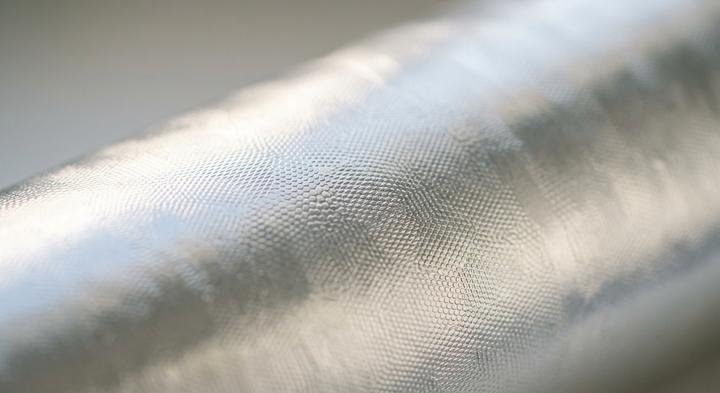
High-performance laminated aluminum foil structures drop the moisture vapor transmission rate (MVTR) to near-zero.
How do you calculate desiccant and vapor barrier specs to prevent rust on ocean-bound metal stampings?
The common mistake is relying on cheap 4-mil clear polyethylene (PE) bags. While PE keeps rain off during dock loading, its molecular structure is porous to gas. Over a 40-day ocean transit, the moisture vapor transmission rate (MVTR) of standard PE allows ambient humidity to migrate straight through the plastic. Oxygen transmission rates (OTR) are similarly high, turning the inside of the bag into a micro-greenhouse. For critical stampings, you need heavy multi-layer laminated aluminum foil structures. The microscopic aluminum layer provides a physical barrier that drops the MVTR to near-zero (less than 0.01 g/m²/24h), keeping the enclosed atmosphere dry regardless of external container temperature swings.
Desiccant load calculations also fail when teams buy cheap silica gel packets. Silica gel relies on physical adsorption, which is highly temperature-dependent. When a shipping container sits on an equatorial dock and heats up to 50°C, silica gel releases its trapped moisture back into the bag. Calcium chloride desiccants operate via active chemical absorption. They convert moisture into an irreversible gel that physically cannot leak or desorb under high heat or extreme transit vibration.
| Corrosion Susceptibility Tier | Optimal Vapor Barrier Specification | Minimum Desiccant Dosage (DIN 55473) | Pallet Base Material Recommendation | Destination Unloading Complexity |
|---|---|---|---|---|
| High (Uncoated carbon steel, polished surfaces) | Laminated Aluminum Foil (PET/Alu/PE, MVTR < 0.01g) | 32 Units (DIN 55473) per m³ | Clean plastic pallet (zero moisture emission) | High (Requires careful fork placement to avoid tearing foil bag) |
| Medium (Zinc-plated stampings, yellow passivated) | 6-mil Co-extruded Co-polymer barrier | 16 Units (DIN 55473) per m³ | Heat-treated (ISPM 15) wood with plastic barrier sheet | Medium (Standard forklift handling; check for corner splinters) |
| Low (Stainless steel, thick powder-coated parts) | 4-mil Clear PE (primary dust protection only) | 8 Units (DIN 55473) per m³ | Standard IPPC wood pallet | Low (Standard hand-truck or forklift unloading) |
The Pre-Shipment Gate Check
From Heavy Plates to Micro-Terminals: Customizing Load Distribution for Stamping Geometries
The warehouse floor manager on the 6:00 AM receiving shift in Ohio spots a ruptured 2,000-pound pallet of heavy-gauge structural brackets that shifted three inches inside its container, threatening a line-down crisis. When custom metal stamping geometries range from massive thick-gauge plates to delicate micro-terminals, using a generic packaging template is a direct path to transit failures. Heavy parts require severe load-bearing rigidity to prevent container buckling under sudden lateral vessel movements, while high-density micro-parts demand complete isolation from physical shock and atmospheric oxidation.
High-Volume Heavy-Gauge Automotive Brackets
A tier-1 procurement team in Jalisco recently finalized a bulk contract for structural steel brackets just as transpacific ocean freight rates spiked. Attempting to maximize container capacity, they opted for standard corrugated cartons with internal wood blocks on low-profile timber pallets, only to have the humid sea air soften the cardboard over a 40-day transit. Without vertical edge-boards to carry the static compressive load, the bottom boxes collapsed under the 2,000-pound stack, forcing a manual sorting process that delayed assembly. For massive, high-mass steel stampings, the correct approach is bypassing weak vertical carton walls entirely by securing the load directly to the pallet structure using high-tension polyester strapping, heavy-duty composite edge-boards, and anti-slip rubberized interlayer sheets.
Automated High-Precision Terminals on Reels

Delicate miniature stampings require packaging designed to isolate them from vibration and environmental exposure.
A procurement lead reviewing an RFQ for millions of micro-connectors knows that even a 0.05 mm flange deflection on a plastic reel will bend the fragile copper-alloy pins, rendering high-speed automated feeder lines useless. Delicate miniature stampings require packaging that isolates the physical component from any exterior surface contact or vibration. Manufacturers like WenXinDa address this by mounting the plastic carrier reels onto high-tensile internal core supports that suspend the reels inside double-wall outer shipper cartons. The suspended reels are then sealed in heavy-duty anti-static moisture-barrier bags with calculated desiccant packs to maintain pin-pitch integrity and prevent atmospheric oxidation from degrading solderability before the parts reach the automated assembly floor.
Direct-to-Cleanroom Medical Electronics
Export Packaging Blindspots: The Real Cost of Cheap VCI and Wet Wood Pallets
Your piece-part margin doesn’t matter if your customer rejects the entire shipment at the receiving dock due to surface corrosion. When bulk metal stampings cross high-humidity equatorial shipping lanes, minor packaging shortcuts become costly liabilities. Protecting raw steel through a 45-day ocean voyage requires strict controls over chemical volatility and structural timber moisture, rather than generic commodity choices.
Any blue plastic bag acts as a vapor corrosion inhibitor (VCI) to protect steel stampings.
Many buyers treat VCI as a generic blue dye commodity. In practice, off-brand, single-layer VCI bags extruded from cheap recycled resins contain uneven chemical concentrations that fail to volatilize uniformly. High-performance, co-extruded virgin resin films release a steady gaseous barrier that reaches into the recessed geometries of deep-drawn stampings. If the film lacks a consistent chemical concentration, the internal metal surfaces will oxidize long before the ship reaches its destination port.
Wood pallets stamped with ISPM 15 are dry and safe for immediate export packaging.
The IPPC stamp certifies pest heat-treatment, not moisture content. Freshly treated timber frequently holds over 25% water by weight. When sealed inside a shipping container transiting equatorial waters, that trapped moisture vaporizes, hits the cold steel ceiling, and rains down as highly corrosive container sweat. The apparent Wet Wood Pallets Saving on raw timber vanishes when your container becomes a tropical steam room that eats zinc coatings and bare steel alike. At WenXinDa, we manage this risk by mandating kiln-dried pallets with a strict moisture cap before staging.
You can verify wood dryness by touch or by trusting the supplier’s delivery paperwork.

Physical verification of wood dryness is critical to prevent destructive container sweat during long ocean voyages.
You cannot feel the difference between 18% and 24% moisture with your hand, and paper receipts do not prevent rust on the factory floor. To verify wood dryness reliably, the packing team must run a physical verification using a calibrated pin-type resistance probe. First, they must verify the meter’s calibration against a reference block. Second, they must drive the steel pins at least 1/4-inch deep into the center of multiple pallet runners. Finally, they must log and reject any pallet batch exceeding a 19% moisture threshold before any metal components are loaded.
Is your packaging supplier actually measuring wood moisture with a calibrated probe, or are they just hoping the container stays dry?
Vetting the Factory’s Logistics: On-Site Audit Protocols for Global Supply Lines
How do you audit a metal stamping factory’s export packaging and logistics controls on-site?
Evaluating how bulk metal stampings are packed for international freight requires a structured audit of the physical shipping bay, where casual verbal promises must be replaced by verified, date-stamped laboratory test logs. A supplier’s competence in precision metal stamping is completely wasted if the finished components warp, scratch, or rust before they reach the destination assembly line. Sourcing managers must look past basic aesthetic packaging and evaluate the engineering metrics of the palletization process.
| Logistics Risk Variable | Required Factory Evidence/Test Standard | Red Flags During On-Site Audits | Responsible Engineering Role |
|---|---|---|---|
| Corrugated Box Structural Integrity | Laboratory Edge Crush Test (ECT) certificates (minimum 44 ECT), Bursting Test (Mullen) records (minimum 275#), and double-wall corrugated assembly specifications showing moisture-resistant adhesives. | Export cartons stacked directly on damp warehouse concrete floors without slip sheets; sealing tape peeling under high humidity; bottom tiers showing physical bulging. | Packaging Design Engineer / Lead Quality Inspector |
| Transit Vibration and Impact Damage | Certified ASTM D4169 (Distribution Cycle 18) or ISTA 1A / 3A transit simulation test reports. Verified logs of physical drop table validation and random vibration testing. | Complete lack of laboratory drop-test fixtures or vibration tables on-site; quality control staff verifying carton integrity solely by manual “shaking tests.” | Quality Assurance Engineer / Tooling Liaison |
| Wood Pallet Infestation & Moisture | IPPC ISPM 15 heat-treatment stamps visible on all timber; kiln-drying certification logs; hand-held moisture meter verification showing wood moisture remains below 19%. | Shipping pallets stored in open, rain-exposed yards; lack of legible IPPC wheat stamps on individual runners; inability of the quality team to produce a moisture meter. | Global Compliance Specialist / Warehouse Manager |
| Salt-Air Corrosion & Oxidation | ASTM B117 salt-spray chamber test logs; DIN 55473 desiccant load calculations showing actual unit requirements based on the volumetric airspace of heat-sealed bags. | Rolls of VCI bags stored open in humid production areas; bulk desiccant packets left exposed to ambient warehouse air for hours before final sealing. | Surface Finish Metallurgist / Lead Quality Inspector |
Zero-Defect Delivery: Engineering Your Logistics Chain with WenXinDa
Now that the physical audit checklists and packaging test matrices are on the table, the final challenge is selecting a partner capable of executing these technical controls daily across multi-ton production volumes. High-precision metal stamping is only half the battle; if a pristine surface finish is marred by micro-abrasions, or if a critical dimensional tolerance shifts due to impact deformation during ocean transit, the exact engineering achieved in the toolroom is rendered entirely irrelevant to your assembly line. WenXinDa eliminates these costly production interruptions by treating logistics engineering as a direct extension of the tooling development process. During the initial DFM stage, engineers design customized shipping footprints and CAD-modeled layer trays alongside the progressive die itself, ensuring that each stamped component is fully supported at its strongest structural points. This packaging-first approach is verified on-site using dedicated salt-spray chambers to simulate corrosive maritime conditions and vibration tables to mimic the mechanical stress of transoceanic freight. Whether shipping under FOB, CIF, or DDP terms, this integrated engineering pipeline ensures that every shipment arrives at your factory gate ready for automated pick-and-place assembly.
Transitioning from standard bulk-packing methods to engineered logistics protocols is the most reliable way for procurement teams to eliminate the hidden overhead of incoming component sorting and manual cleaning. To simplify this transition, WenXinDa has compiled a comprehensive export packaging reference standard that provides clear engineering data on moisture-vapor transmission rates (MVTR), calculated desiccant unit loads for high-humidity lanes, and standardized pallet-loading layouts. Rather than guessing at transport tolerances, you can request a complimentary 20-minute design review with an engineering lead or download the full technical packaging specification guide today to secure your custom packaging layout.