
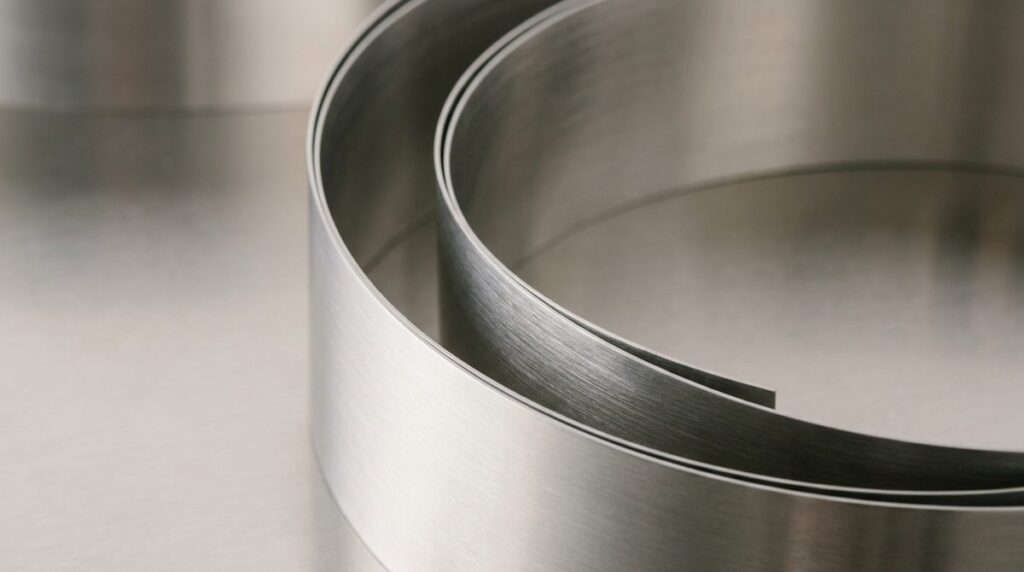
The Pre-PO Metal Stamping Checklist: Auditing Supplier Die Design and Material Certificates
Why Your First Metal Stamping Run Fails Before the Press Cycles
The first high-volume run of a custom metal stamping project usually fails because the buyer approved a prototype that was never actually stamped. Those initial, flawless samples on the inspection desk were likely wire-EDM cut, laser-profiled, or hand-folded using soft temporary tooling. They look perfect, but they hide every physical reality of high-speed progressive production. Long before the press cycles, the fate of your run is sealed by how the toolroom handles heat and motion. Once a progressive tool hits 120 strokes per minute, minor physical issues like thermal expansion of the strip, micro-feed misalignments, and insufficient stripping clearance turn into catastrophic line stops. A part that behaves beautifully as a single hand-finished sample will warp, tear, or crack under the sustained mechanical stress of continuous high-speed feeds.
Signing a purchase order and wiring a die deposit before reviewing the strip layout and 3D die-design files is a guaranteed way to derail your delivery timeline. Many procurement teams treat the tooling deposit as a quick administrative green light to start the production clock, only to find out weeks later that the toolmaker is stuck grinding hardened tool steel because the part design could not handle high-speed progression. At Guangdong-based manufacturer WenXinDa (established in 2010), the engineering team coordinates front-end Design for Manufacturability (DFM) reviews to prevent these late-stage die modifications. They align customer specifications with actual industrial-run tolerances before any tool steel—like D2 or DC53—is cut, analyzing how the raw metal coil behaves under tension and securing the die architecture upfront.
Choosing the right physical stamping method—whether progressive, stage, or transfer—depends entirely on how early you address these tolerances. If a supplier hesitates to show you how the carrier strip behaves during high-speed progression, they are likely designing the tool on the fly. Never wire a tooling deposit until you have approved a preliminary strip layout that shows exactly how the carrier strip behaves during high-speed progression.
Comparing High-Volume Stamping Methods: Progressive Dies vs. Stage Tooling vs. Deep Drawing
How do progressive dies, stage tooling, and deep drawing compare on total per-part cost for high-volume runs?
When you are amortizing tooling over millions of parts, the upfront cost of the die becomes a secondary concern. The real driver is the run speed and the metal you throw away as scrap. A progressive die runs fast but carries a heavy tax in the form of a continuous carrier strip. Stage tooling runs slow and requires manual or robotic transfer, but lets you nest blanks tightly to save material. Deep drawing is a different beast entirely, squeezing and stretching metal into hollow vessels, which demands slow, high-tonnage strokes and leaves a flange that must be trimmed off.
| Stamping Method | Tooling CapEx & Lead Time | Output Speed & Press Tonnage | Scrap Yield Percentage | Typical Geometry |
|---|---|---|---|---|
| Progressive Die | $15,000 – $80,000+ (8 – 12 weeks) |
100 – 300+ SPM (45 – 200 Tons) |
15% – 40% (Carrier strip waste) |
Small flat terminals, shallow-formed brackets, multi-bend connectors |
| Stage Tooling | $3,000 – $12,000 per die (4 – 6 weeks) |
15 – 40 SPM (30 – 150 Tons) |
5% – 15% (Optimized blank nesting) |
Simple brackets, low-volume plates, heavy-gauge structural parts |
| Deep Drawing | $25,000 – $100,000+ (10 – 14 weeks) |
20 – 80 SPM (100 – 400+ Tons) |
20% – 45% (Flange trimming waste) |
Cylindrical shells, cups, aerosol cans, deep closed-end tubes |
The Math of the Carrier Strip: Why 0.2 mm Matters
In million-unit runs, the real driver of piece-part economics is the carrier strip layout, not the speed of the stroke. Because progressive dies rely on a continuous metal strip to carry the part through multiple stations, every millimeter counts. Shrinking the bridge and margin widths by just 0.2 mm can save thousands of dollars in raw metal across a long production run. Let’s say you are running 5 million copper terminals. That 0.2 mm width reduction means you save hundreds of kilograms of copper coil that would otherwise end up as scrap.
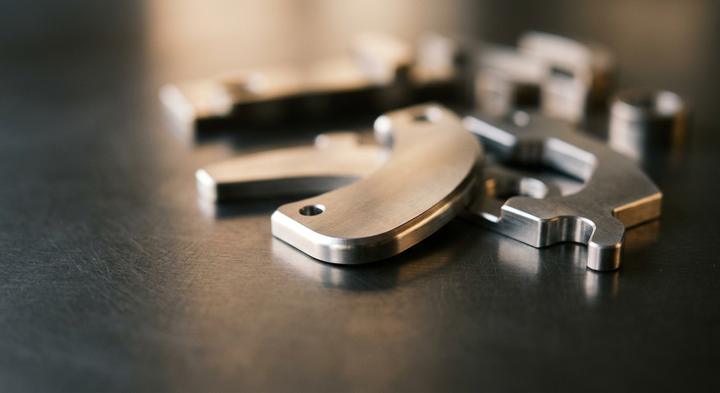
Precision-cut metal components highlighting the burr-free edges required for automated assembly.
Making those paper-thin margins work requires premium tool steel. If you run tight margins with cheap die steel, the heat and friction at 200 strokes per minute will warp the strip and ruin the tool. This is why we design our critical inserts using SKD11 or D2. It ensures the carrier margins hold their shape and the tooling doesn’t fail prematurely. When we work with buyers at WenXinDa, we optimize these strip layouts during the design phase so you aren’t paying for heavy carrier waste on every single stroke. It is the difference between a tool that runs clean for millions of strokes and one that eats your material budget just to keep the strip moving.
Vetting the Run: What Procurement, QA, and Engineering Must Verify
The QC lead on the morning shift is looking at a pile of rejected carrier strips while the assembly line behind them sits idle. Before any metal coil is loaded onto the decoiler, procurement, quality assurance, and assembly engineering must align on the technical and commercial variables of the run. If any of these stakeholders sign off on incomplete specifications, the project risks failing during high-volume production even if the initial prototypes passed inspection.
The High-Speed Progressive Run: Micro-Terminal Procurement
On a high-speed micro-terminal run processing millions of contacts, procurement’s focus must shift from basic piece-price negotiations to the structure of the raw material contract. When buying micro-terminals stamped from alloys like phosphor bronze, metal represents up to 70% of part cost, making index-based pricing a necessity. A partner like WenXinDa manages this by pegging material costs to live metal indices, shielding both parties from volatility. Tooling agreements must define scrap-credit terms; progressive dies generate significant skeleton waste, so buyers must negotiate how this scrap is credited back against raw coil weight. Amortizing the tool over the first production block keeps cash flow predictable, provided the contract clearly states when amortization concludes and who owns the dies.
The High-Strength Structural Part: Quality Assurance Verification
A quality manager auditing a supplier’s pressroom floor should look past standard certificates and demand to see the physical correlation between the raw material on the decoiler and the inspection desk. For high-strength carbon steels, verification begins by matching coil heat numbers to Mill Test Certificates (MTCs) to confirm yield strength and elongation. In high-strength carbon steels, severe stamping stress induces localized hardness that renders components susceptible to hydrogen embrittlement. The QA protocol must specify a post-plate baking regimen—typically hydrogen embrittlement relief at 200°C within four hours of plating—backed by furnace logs. Relying on unverified certificates leads to micro-cracking and delayed structural failures under static load.
The Precision Electronics Housing: Automated Assembly Integration
An assembly engineer watching an automated pick-and-place line stall knows that the tightest tolerances on a drawing do not matter if the stamped part has an uncontrolled burr. When feeding metal-stamped retainer clips into automated lines, a burr height exceeding 10% of material thickness will inevitably shave plastic off alignment pins or jam feed tracks. For a nominal 0.5 mm thick spring steel component, this means establishing a strict 0.05 mm maximum burr limit on shearing edges. To maintain this threshold, the tooling must utilize premium steels like D2 or transition to solid tungsten carbide punch inserts in high-wear zones to extend intervals between sharpenings. Ensure your supplier documents the maximum allowable burr height as a hard dimension on the product drawing before you wire the tooling deposit.
The Hidden Cost of Under-Specified Dies: Three Common Toolroom Shortcuts
A cheap tooling quote always extracts its cost during production. When a supplier bids significantly below market rates, they rarely cut their margins; instead, they take Three Common Toolroom Shortcuts that ruin your long-term cycle times and scrap rates. The Hidden Cost of these compromises is constant press downtime, tool maintenance, and part failure. For long-term production runs, investing in Specified Dies is the only way to protect your gross margin from continuous tooling issues.
Standard D2 steel is perfectly fine for high-tensile or stainless stampings if heat-treated correctly.
D2 is a standard workhorse tool steel, but running it against abrasive stainless or advanced high-strength steel causes rapid tool galling. Under the heavy friction of high-tensile alloys, D2 wears down, forcing microscopic metal particles to weld themselves directly to the die surface. This scratching ruins subsequent parts and forces operators to stop the line every few thousand strokes to manually polish the tool. Demanding vanadium-rich powder metallurgy steels or solid carbide inserts in high-wear areas keeps the press running smoothly without continuous maintenance breaks.
You can nest parts in any direction on the strip layout to maximize material yield.
Squeezing out an extra percent of yield is counterproductive if your finished parts crack along their bent edges. Sheet metal has a distinct grain direction created during the coil-rolling process. If a designer nests parts parallel to this grain to save scrap, 90-degree bends will micro-crack along the outer radius. These cracks might pass initial inspection but will fail under mechanical stress in the field. Checking that critical bends run perpendicular or at a 45-degree angle to the rolling grain prevents these structural failures, even if the strip layout requires slightly more scrap metal.
High-quality mechanical coil springs are sufficient for heavy stripping forces on fast cycles.
Mechanical coil springs fatigue, sag, and break far sooner than nitrogen gas cylinders during rapid stripping cycles. When a spring weakens on a high-speed line, the stripper pad returns sluggishly, failing to clear the part before the next feed stroke occurs. This lag results in misfeeds, jammed dies, and shattered punch tips. Nitrogen gas cylinders deliver consistent, flat force curves and instant recovery to keep up with demanding cycle speeds. Checking the tool design for nitrogen cylinders instead of cheap wire springs avoids costly downtime on the factory floor.
Are you ready to audit your next tooling design before the steel is cut?
The Pre-PO Technical Audit Checklist for Industrial Buyers
As Industrial Buyers How do you verify a metal stamping supplier’s physical capabilities before transferring a tooling deposit?
A meticulous engineering and audit process ensures progressive die accuracy before production begins.
A shiny showroom or a glossy PowerPoint slide is easy to set up. But they won’t help you when a progressive die running at 150 strokes per minute cracks an insert. If the stamping shop lacks an on-site toolroom, they have to pack up that multi-ton die, truck it across town to an external toolmaker, and wait in line for a repair. Your production stops dead. To prevent this, you have to audit the factory floor systematically with a real Technical Audit Checklist before wiring a tooling deposit.
| Audit Area | Audit Checklist Question | Verifiable Proof Required | Red Flags & Warning Signs | Responsible Party |
|---|---|---|---|---|
| In-House Toolroom | Does the factory have an active House Toolroom with CNC, wire-EDM, and grinding machinery to repair or modify progressive dies on-site? | Dedicated CNC and wire-EDM machines running, organized spare insert racks with clear part labeling, and active tool-maintenance logs. | Empty toolrooms, dust-covered machines, or admitting that major die repairs are sent to external shops. | Lead Tooling Engineer |
| Material Traceability | How does the factory link raw material coils to finished, stamped batches to prevent material mixing on the floor? | Mill Test Certificates (MTCs) matching heat numbers on coil tags, and digital tracking logs linked to active production runs. | Unlabeled steel coils, hand-written tags without heat numbers, or missing chemical test records. | QA Manager |
| Press Feed & Alignment | Are production presses configured with automatic servo feeders, scrap cutters, and active electronic misfeed sensors? | Live demonstration of the press auto-stop trigger when a strip misfeed or end-of-coil condition is simulated. | Press operators manually guiding the strip, bypassed sensor cables, or lateral strip play exceeding design tolerances. | Production Supervisor |
| Dimensional Inspection | How does the quality team verify critical-to-function dimensions during high-speed production runs? | Current Coordinate Measuring Machine calibration logs, digital optical comparators, and hourly SPC control charts. | QC inspectors using manual hand calipers as their primary tool, missing calibration tags, or undocumented inspection intervals. | Quality Inspector |
We address these variables directly at WenXinDa by welcoming complete floor access during our technical audits. Every progressive die we run is designed, built, and serviced in our own toolroom, removing the risk of external delays. We provide full CMM dimensional reports and retain strict material coil traceability with original certificates for every run. Buyers can request a live virtual tour of our Guangdong facility or send 3D STEP files to our engineering team to review tooling feasibility before placing an order.
Securing Your Production Line: Export-Grade Precision with WenXinDa
Once your physical audit checklist is complete, the operational challenge becomes finding an export-ready partner who actually runs these technical controls under one roof. At WenXinDa’s facility in Guangdong, we keep tooling design, progressive high-speed runs, deep drawing, and secondary CNC machining entirely in-house. That is the only reliable way to stop the classic vendor blame game where the stamping shop blames the independent toolmaker for parts that drift out of tolerance. When a part fails quality control, our toolmakers are standing next to the press operators, adjusting the die on the spot rather than trading emails across time zones. This integrated footprint runs press capacities from 25 to 600 tons, handling material thicknesses ranging from a delicate 0.2 mm up to a heavy-gauge 8.0 mm. By matching the job to the correct press tonnage and maintaining the dies in our own toolroom, we protect your run from progressive pitch errors and edge burrs, delivering the exact Grade Precision your drawings demand for high-volume assembly lines.
Securing Your Production Line from assembly-line stoppages starts long before the first tool steel is cut. To evaluate what your actual unit cost and tool life will look like, skip the generic price estimators and send your 3D STEP files to our engineering team. We will put your design through a formal DFM layout review, analyzing strip utilization, feed pitches, and tool amortization pricing. This isn’t a computer-generated automated checklist; it is a direct feedback loop from senior toolmakers who will show you exactly where adjusting a radius or changing a nesting layout can save tons of scrap over a million-stroke run.