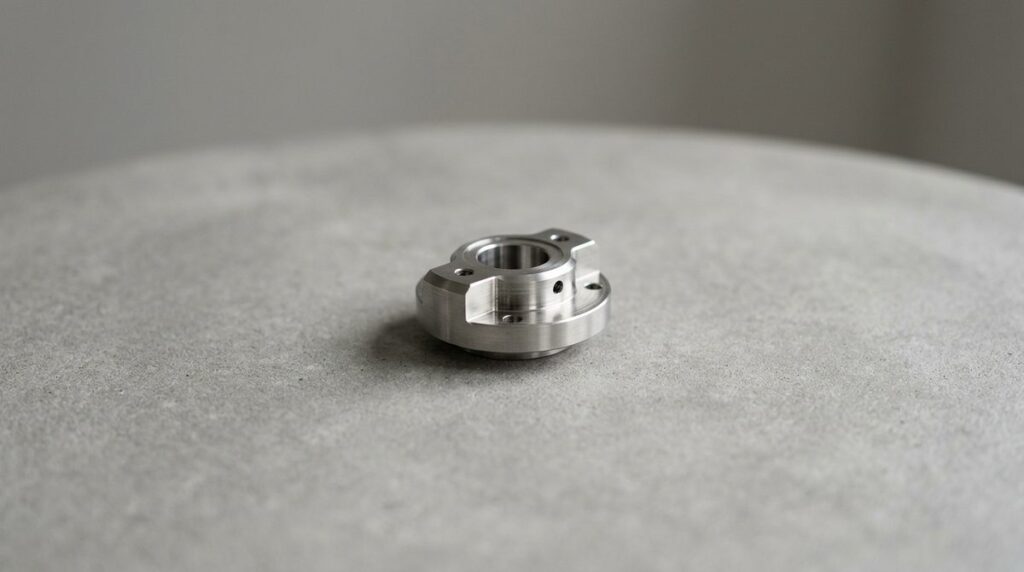
Choosing CNC Machining Solutions for Industrial-Grade Reliability
Why Industrial CNC Parts Fail in the Field
Most industrial CNC parts don’t fail because the CAD file was wrong; they fail because the design assumed a climate-controlled office, not a factory floor. When a component moves from a simulation to a high-vibration environment or a site with constant thermal cycling, the gap between ‘office-grade’ and ‘industrial-grade’ becomes a matter of operational downtime. Standard tolerances often fail here because they ignore the microscopic fatigue caused by environmental stress. A part that fits perfectly on day one can warp or corrode by day thirty if the material integrity hasn’t been validated for the specific application.
Why Industrial Parts Fail in the Field often comes down to a disconnect between the drawing and the reality of the machine’s life cycle. Procurement teams frequently focus on geometric precision, assuming that if the dimensions are correct, the part is ready for deployment. But a supplier who only quotes based on a drawing without asking about the end-use environment is ignoring the most common failure points. At WenXinDa, we have found that the most reliable components are those where material stress limits and surface treatments are validated before the first cut is even made.
When you are reviewing an RFQ, look for suppliers who provide mill test reports and documented surface treatment specs as standard procedure. If a supplier isn’t asking about your specific thermal or vibration requirements, they are quoting a part that hasn’t been built for your reality. A component is only as reliable as the environment it was engineered to survive. If you aren’t discussing the operating conditions during the RFQ phase, you are paying for a part that is likely to fail regardless of how precise the machining is.
Specifying CNC Components for Harsh Environments

Ensuring process capability through data-driven quality control is essential for long-term industrial reliability.
How do you distinguish between a part that looks right on a drawing and one that actually survives a year in the field? Most procurement teams focus on the unit price, but in harsh environments, the real cost is hidden in the material specs and the surface treatment. If your supplier isn’t asking about your operating temperature, vibration levels, or chemical exposure, they are quoting a part built for a climate-controlled office, not your application.
| Feature | Standard Industrial Grade | Harsh Environment Grade | Primary Risk of Mismatch |
|---|---|---|---|
| Material | 6061 Aluminum | 7075-T6 or 316 Stainless | Stress corrosion cracking |
| Finish | Clear Anodizing | Hard-coat Anodizing / Passivation | Rapid oxidation / Pitting |
| Tolerance | ±0.05 mm | ±0.02 mm (Cpk > 1.33) | Assembly interference |
| Documentation | Basic COC | Full MTR + Salt Spray Report | Liability / Traceability gaps |
When you are running high-reliability parts, don’t just ask for a quote; ask for the process capability. A shop that can hold ±0.05 mm on a prototype might drift to ±0.1 mm once the machine warms up on a 500-piece run. You need to see the Cpk/Ppk metrics to know if they are actually controlling the process or just sorting the good parts from the scrap pile at the end. If they can’t show you a Mill Test Report (MTR) for the raw stock, you have no way to verify the material integrity before it hits your assembly line.
Surface finish is where most field failures start. A standard Clear Anodizing might look clean on arrival, but it won’t hold up in high-humidity or corrosive sites. If your environment demands it, specify an ASTM B117 salt spray test requirement in your RFQ. It forces the supplier to be honest about their coating process. If they hesitate to provide a Salt Spray Report, it is usually because they know the finish won’t pass the test. Don’t sign the PO until you have confirmed the documentation requirements, because once the parts are in the crate, the leverage shifts entirely to the factory.
Matching Your Project to the Right Production Strategy
When a hardware team is three weeks out from a field pilot, the pressure to validate assembly fit often clashes with the reality of material performance. If you rely on 3D-printed housings for torque-heavy assemblies, you will likely see them crack under load during the first day of testing. For these pilot runs, prioritize material matching over unit cost. Investing in CNC-machined aluminum or high-grade engineering plastics ensures the prototype behaves like the final product. If the parts arrive in six days and the assembly holds, the pilot proceeds; if they fail, you lose a month of development time. In this phase, the CNC cost is an insurance policy against a failed field trial.
Scaling from a 500 units pilot to a larger batch requires a shift in how you view tolerances. Many buyers carry over prototype-level specs that are unnecessarily tight, which drives up the unit price without adding functional value. The goal here is to optimize for assembly efficiency: loosen non-critical tolerances to allow for faster cycle times while maintaining strict control only on the mating surfaces that dictate assembly speed. A supplier should be able to identify which dimensions are ‘cost-drivers’ and which can be relaxed. If your quote for 500 units looks identical to your quote for 50, you are likely paying for precision you do not need.
At high volumes, the risk profile shifts from individual part failure to process drift. When producing thousands of units, the cost of a single defect is magnified, and manual inspection is no longer a viable quality gate. Reliable production requires in-process monitoring to catch tool wear or thermal drift before it results in a batch of scrap. Buyers must demand full traceability documentation, including Cpk and Ppk reports for critical dimensions, to ensure the 10,000th unit matches the first. If a supplier cannot provide these reports, they are not managing the process—they are merely sorting the good parts from the bad after the fact.
Before you sign off on a production strategy, ask your supplier to identify which tolerances are driving your unit cost; if they cannot tell you, they are not optimizing for your scale.
Common Procurement Pitfalls in Industrial CNC Projects
Most procurement errors in CNC machining aren’t caused by bad engineering, but by a failure to align the quote with the reality of the shop floor. If you aren’t defining the inspection process, the material handling, and the finishing requirements before the PO is signed, you are essentially paying for a gamble.
If the sample passes, production will too.
This is the most dangerous assumption in the trade. A prototype is often built by a master machinist using manual offsets and slow feed rates; a production run is built by an operator managing a queue. If your quote doesn’t explicitly define the inspection frequency and the evidence required at each stage, you have no recourse when the batch quality drifts from the sample. Ask for a staged inspection plan that includes the first-article report and the final QC sign-off.
Over-engineering every tolerance is the safest route.
It is tempting to tighten every dimension to ±0.01mm to ‘be safe,’ but this is a quick way to double your unit cost. Every tight tolerance forces the shop to slow down the feed rate, increase tool changes, and scrap more parts. Focus your tightest tolerances only on mating surfaces or critical-to-function interfaces. For everything else, use standard commercial tolerances. If the supplier doesn’t push back on your tightest specs, they are likely just padding the price to cover the inevitable scrap rate.
Secondary finishing is just a line item.
Finishing is where most projects hit a wall. Anodizing, passivation, or heat treatment often requires moving parts to a secondary facility, which adds lead time and introduces handling risks. If you treat these as an afterthought, you will see the budget creep as soon as the parts leave the CNC machine. At WenXinDa, we see the most success when the finish is specified in the initial RFQ, as it allows us to coordinate the logistics with our plating partners before the first chip is cut.
Environmental neglect is a minor detail.
If you don’t tell the supplier that the part will live in a high-vibration engine bay or a thermal-cycling chamber, they will quote for a standard office-grade finish. Not all shops are set up to handle aerospace-grade alloys or the specific heat-treatment cycles required for industrial durability. If the supplier isn’t asking about the operating environment, they are quoting a part that will likely fail in the field. Always verify their experience with your specific material grade and environmental constraints.
How to Vet a CNC Supplier for Industrial-Grade Reliability
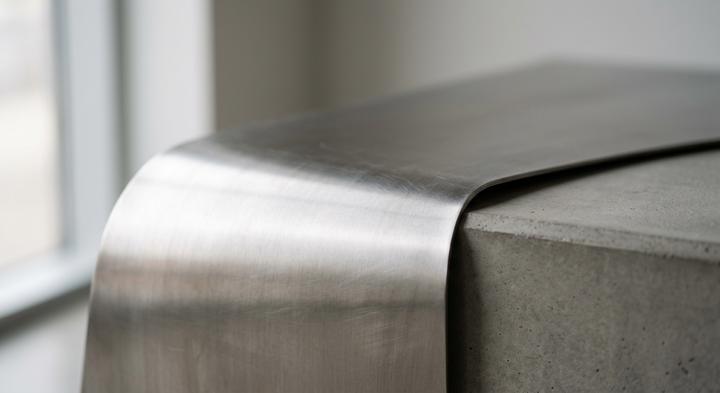
Reliability is built into the design phase by selecting the right materials and surface treatments for the intended environment.
What specific documentation should you demand to prove a supplier can maintain industrial-grade tolerances across a production run? Most shops will show you a gallery of polished parts, but that tells you nothing about their process stability. Industrial reliability isn’t about the best part they ever made; it’s about the consistency of the worst part in a 5,000-unit batch. If a factory can’t provide objective data on their process capability, you’re gambling on their luck rather than their engineering.
| Ask | Expected Evidence | Red Flag | Responsible Party |
|---|---|---|---|
| What is your standard Cpk for this material? | Data showing Cpk ≥ 1.33 | “We don’t track Cpk” | Engineering |
| Can you provide third-party material test reports? | Validated MTRs matching the heat number | Refusal to share or “internal only” | Quality Control |
| How do you handle non-conforming parts? | Documented 8D or CAPA process | “We just sort them out” | Quality Control |
| What is your typical lead time for repeat production orders? | Defined range (e.g., 6 weeks) | Vague “as soon as possible” | Production |
| Does WenXinDa offer DDP shipping for international compliance? | Clear Incoterm documentation | “Buyer handles all customs” | Logistics |
If a supplier claims they don’t track Cpk, they are likely running a manual process where the operator adjusts the machine by feel. That works for a prototype, but it’s a recipe for disaster when you need to scale. A shop worth your time should be able to show you how they track a part from the raw material heat number through to the final inspection report. If they can’t explain their traceability system, they can’t guarantee the integrity of your assembly when a field failure occurs.
Anyone who has actually shipped DDP into a major market knows the surprise isn’t the freight; it’s the hours of paperwork required when the Incoterms are misaligned. When you are ready to move past the sales deck and verify these controls, contact our engineering team to review your assembly drawings. We can provide a technical breakdown of our production controls or run a pilot batch to demonstrate how we handle your specific tolerances.
Moving Forward with Your CNC Machining Project
With your tolerance requirements mapped against the production strategy, the next step is ensuring your CAD files translate into a part that survives the field. Most design failures happen because the shop only sees isolated parts; if you don’t share assembly-level drawings during the RFQ, you are asking the machinist to guess where the critical fits are. A good engineer will catch a tolerance stack-up on the drawing board, but they need the full context of how the component sits in your machine to do it. If you aren’t sharing the assembly context, you are leaving the most important engineering decisions to chance.
Don’t treat your first sample as a showroom piece. If your part is destined for a high-vibration or corrosive environment, you need to verify it against those actual conditions. Ask for a sample run that includes your specified surface treatment, and don’t be afraid to push back if the supplier hasn’t asked about your operating environment. If they are rushing you to sign off on a design without discussing assembly constraints, that is a red flag. A shop that cares about the final result will ask about the assembly before they ever touch the Machining Project Now.
We have found that the most successful projects start with a technical review before the first chip is cut. Whether you need to verify material performance under thermal stress or need a sanity check on your tolerances, our engineering team is ready to look at your files. You can access our full catalog of industrial-grade CNC capabilities to see our current equipment specs, or reach out to book a technical consultation for your project. Send us your drawings and your target volume, and we will provide a quote that accounts for the actual manufacturing realities of your design.